
Are Canterbury Homes Built for 36°C Summers?
JIB Cooling

Summer 2026 has been a scorcher so far, with people across the UK doing everything they can to stay cool indoors. Fans have sold out, portable air conditioning units have flown off the shelves, and many homes have struggled to cope with repeated spells of extreme heat.
Which makes us ask a pretty simple question:
Are our homes actually designed to cope with 36°C summers?
For many properties, probably not.
UK homes have historically been designed around keeping warmth inside. That makes perfect sense for a country where cold winters and heating bills have traditionally been a much bigger concern than summer cooling.
But what helps keep a house warm in January can sometimes become part of the problem when outdoor temperatures rise into the mid-30s.
Just How Hot Has 2026 Been?
May 2026 broke the UK record for the highest temperature ever recorded during the month. The Met Office confirmed 35.1°C at Kew Gardens on 26 May, beating a May record that had stood at 32.8°C.
Then came June. On 26 June, Lingwood in Norfolk officially reached 38.0°C, setting a new UK and England June record.
That means temperatures approaching 40°C are no longer something we can simply dismiss as an exceptionally rare event. And here in the South East, we are often among the parts of the country most exposed when hot air moves across from continental Europe.
The question isn't really whether Britain occasionally gets hot anymore. It is how well our homes cope when it does.
Overheating in UK Homes Is Already a Problem
This isn't simply based on how hot people felt during the latest heatwave. Government housing data shows overheating is already affecting millions of homes.
The English Housing Survey reported that in 2024 approximately 3 million homes experienced overheating, representing around 12% of occupied homes in England.
Perhaps more interestingly, that percentage has increased. In 2019, around 7% of households reported overheating. By 2024 that had risen to 12%.
So if you've found yourself lying awake in a Canterbury bedroom wondering why the house still feels hot at 11pm, you certainly aren't alone.
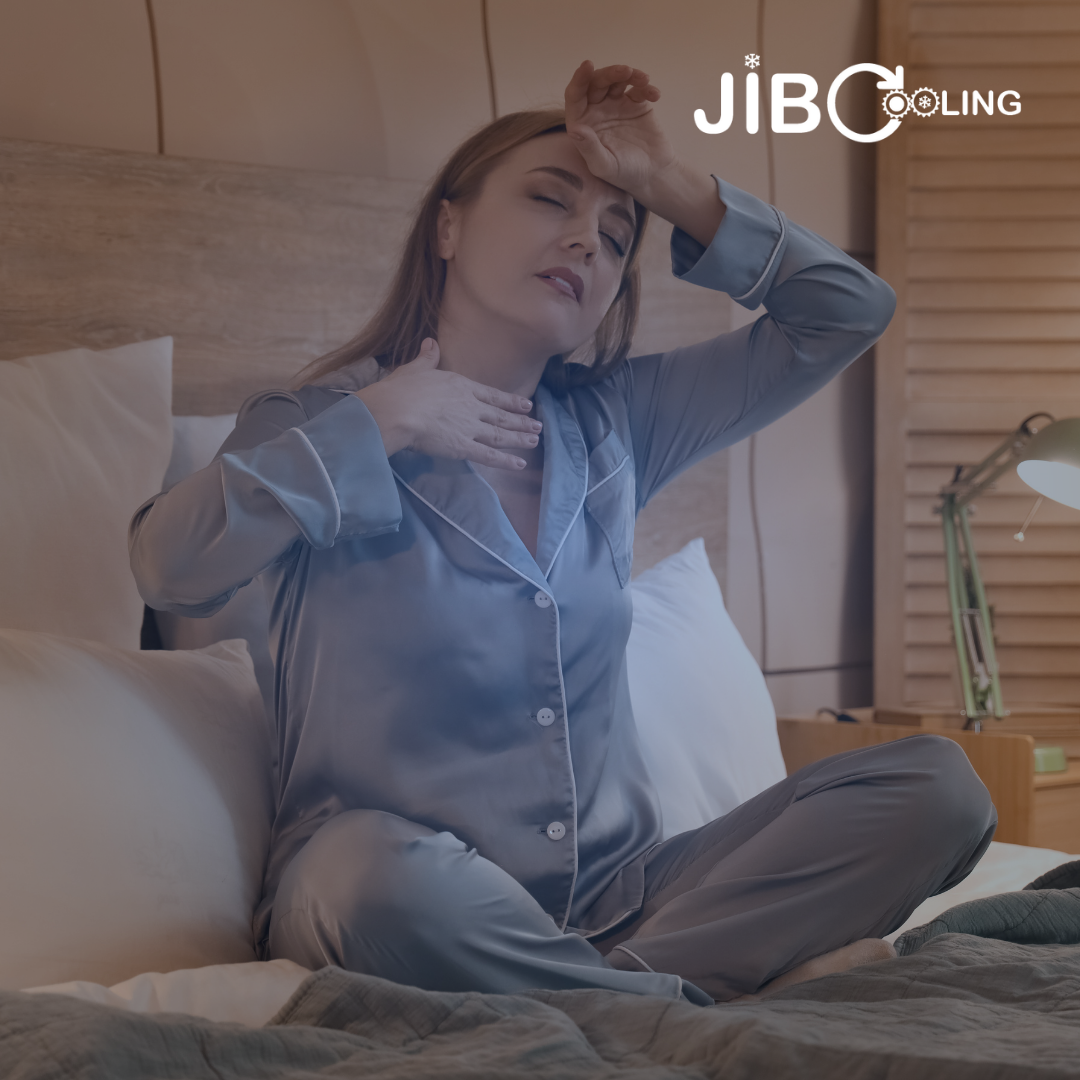
Why Do UK Homes Get So Hot?
Outdoor temperature is obviously the starting point. But it isn't the whole story.
Different homes behave very differently during prolonged periods of heat. A house with shaded windows and good airflow can feel quite different from one with large south-facing glazing receiving direct sunlight throughout the afternoon.
Modern insulation can also play a part. Insulation helps reduce heat moving through the building fabric, which is exactly what we want during winter. But once significant heat has entered a property during summer, a well-insulated home may retain that heat into the evening.
Which Rooms Are Most Likely to Overheat?
Anyone who has lived through a hot spell will know that one room can feel perfectly manageable while another feels unbearable.
Bedrooms are a common problem. Particularly upstairs bedrooms directly underneath the roof. During the day, the roof absorbs heat from the sun. The upper floor can then remain warm long after the outdoor temperature has started dropping.
Loft conversions can experience the same problem, sometimes even more noticeably because the room sits directly within the roof structure.
South-facing rooms can also receive hours of direct sunlight.
Then there are modern extensions with large bi-fold or sliding doors. They can create beautiful light-filled spaces, but that amount of glazing can also introduce substantial solar heat.
Home offices are another interesting example. A small room containing a computer, monitors and other equipment can become hot surprisingly quickly. And unlike a bedroom, you may be trying to sit in it for eight hours during the hottest part of the day.
- 1 Upstairs bedrooms Directly under the roof, which absorbs heat all day and keeps the floor warm well after outdoor temperatures drop.
- 2 Loft conversions Often worse, since the room sits directly within the roof structure itself.
- 3 South-facing rooms Can receive hours of direct sunlight through the day.
- 4 Bi-fold and sliding door extensions Light-filled, but large glazing areas let in substantial solar heat.
- 5 Home offices Computers and monitors heat a small room quickly, often occupied for eight hours during the hottest part of the day.
Can't I Just Use a Fan?
Fans can certainly help. Moving air across your skin can make you feel cooler, and for mild summer weather that may be perfectly adequate.
But a fan doesn't actually cool the room, it moves the existing air around. When the room temperature itself is very high, there is a limit to how much difference that can make.
Closing blinds or curtains during the hottest part of the day, reducing unnecessary heat-generating appliances and ventilating the home when outdoor temperatures fall can all help too.
But if a particular room regularly overheats every summer, you may eventually want something that allows you to actually control the temperature. That's where home air conditioning starts to become a very different proposition from a fan.
Do You Need Air Conditioning Throughout the Whole House?
No. And this is probably one of the biggest misconceptions around domestic air conditioning.
Installing air conditioning doesn't necessarily mean trying to cool every room in your home. For many homeowners, the priority is simply fixing the rooms that cause the biggest problem.
That might be a bedroom that becomes uncomfortable at night. It could be a loft conversion. Perhaps it's the home office where you work every day. Or the large open-plan kitchen and living room where the family spends most of its time.
A professionally planned system can focus on those particular spaces rather than automatically treating the whole house. For many Canterbury homes, targeted cooling may make far more sense.
Is Air Conditioning Really Suitable for Bedrooms?
Yes.
Modern domestic air conditioning systems can be particularly useful in bedrooms because they allow you to control the room temperature rather than simply circulating warm air.
Positioning matters though. The indoor unit needs to be located so that cool air can circulate effectively without constantly blowing directly over the bed.
Noise is another obvious consideration. Nobody wants to solve the heat problem only to create a noise problem instead. Modern systems can operate very quietly, but choosing the right equipment and the right position is important when designing air conditioning for a Canterbury home.

What About Loft Conversions?
Loft conversions are one of the spaces where air conditioning can make a particularly noticeable difference. They are often beautifully designed rooms but can be challenging during summer because they sit directly beneath the roof.
Roof windows can add even more heat to the room.
You may have converted the loft into a bedroom or home office expecting to use it throughout the year, only to discover that it becomes extremely uncomfortable during hot weather.
This doesn't necessarily mean there is anything wrong with the conversion. It simply means the room may need some form of active cooling when temperatures rise beyond what passive ventilation can comfortably manage.
Is Domestic Air Conditioning Expensive to Run?
There isn't one useful figure that applies to every home.
Running costs depend on the size and efficiency of the system, how large the room is, how well insulated the property is, the outside temperature and how you use the air conditioning.
Temperature settings matter too. Trying to make a room extremely cold will require more energy than maintaining a comfortable temperature.
Correct system sizing is therefore important. A professional air conditioning installer will look at the room itself rather than simply recommend the biggest or cheapest unit available.
Home Air Conditioning Installation in Canterbury
Canterbury has every type of property imaginable. There are older houses, modern developments, flats, converted buildings, extensions, loft conversions and homes with large areas of glazing.
There isn't one home air conditioning solution that will suit all of them.
Before recommending a system, it is important to understand which rooms are overheating, how the property is laid out and how you actually use the space.
- Where should the indoor unit go?
- Where can the outdoor unit be positioned?
- How can pipework be routed neatly?
- Does one room need cooling, or would several areas benefit?
- What capacity does the room actually require?
These are the things a proper survey should establish before installation.
JIB Cooling provides domestic air conditioning installation in Canterbury and across East Kent, helping homeowners find systems appropriate for their property rather than simply taking a one-size-fits-all approach.
The summers ahead may not all look exactly like 2026, but with millions of English homes already suffering overheating, it is reasonable to start asking whether our homes are really equipped for hotter weather.
Looking for air conditioning installers in Canterbury? Speak to JIB Cooling about your home and find out whether professionally installed air conditioning could provide a more permanent way to keep the rooms you use most comfortable.